One Leap Smiles: A Designer's Real-World Embroidery Review
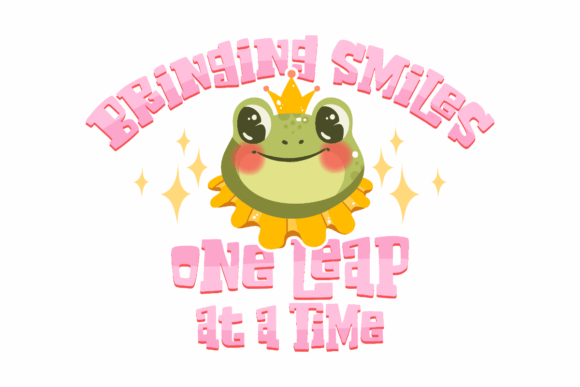
In the world of digital design assets, it is easy to get swept up in pretty previews and glossy mockups. However, as a professional designer who has spent years turning vector files into tangible handmade products, I know that the true test of any embroidery file happens when the needle hits the fabric. Today, I am putting One Leap Smiles through its paces. This isn't just another cute graphic; it is a specific machine embroidery design featuring a blushing frog with a golden crown and ruffled collar. The question is not whether it looks good on a screen, but whether it holds up under tension, thread density, and the wear and tear of daily life.
The First Impression: Mood and Character
When you first open the folder for One Leap Smiles, the immediate feeling is one of warmth and encouragement. The concept of an "encouraging royal toad" is distinct. It avoids the generic cartoon tropes often seen in mass-market graphics. Instead, it offers a personality that feels grounded yet whimsical. The visual layout suggests a design that balances softness with structure—the ruffled collar implies texture, while the crown demands precision.
From a creative standpoint, this design fits perfectly into the Crafts and Graphics categories because it bridges the gap between simple novelty and high-quality artistry. It creates a mood that is optimistic without being childish. For a small business owner or an Etsy seller, this is crucial. You want your customers to feel a connection to the item before they even touch it. One Leap Smiles delivers a sense of joy that translates well from a digital preview to a physical object, making it an excellent candidate for personalized gifts or boutique branding where emotional resonance matters.
Real-Life Application: From Screen to Stitch
Let's imagine a real scenario. You are preparing for a local craft fair or fulfilling a rush order for a custom baby shower gift. You decide to embroider One Leap Smiles onto a cream-colored muslin tote bag. The goal is to create a cheerful accessory that stands out on a table full of neutral linens.
As I simulated this project, the design's potential became clear. The sun-yellow ruffled collar would pop beautifully against a natural canvas background, creating a focal point that draws the eye immediately. The blushing cheeks add a layer of depth that satin stitches can capture effectively if the density is correct. Unlike a complex portrait, this design relies on clean shapes and expressive details, which makes it forgiving for those working with medium-sized hoops.
I also considered using this design for a sweatshirt embroidery project. The royal theme pairs surprisingly well with casual knit fabrics. Imagine a soft fleece hoodie for a child or a cozy adult sweatshirt. The "crown" element adds a touch of regal humor that works well on apparel. If you are an Etsy seller looking to expand your catalog, adding this to your list of custom apparel options could attract buyers looking for something unique rather than generic slogans. The design acts as a conversation starter, inviting questions about the story behind the "royal toad."
Technical Performance and Fabric Considerations
However, every embroidery project comes with technical challenges, and One Leap Smiles is no exception. While the design is charming, it requires careful planning regarding stitch density and fabric choice. The ruffled collar likely utilizes a combination of satin stitch and fill stitch to achieve that textured look. If the stitch count is too high for a thin fabric like a standard t-shirt, you risk puckering. Conversely, if the fabric is too heavy, the detail might get lost.
For best results, I recommend testing this design on a stable, medium-weight cotton or a poly-cotton blend. Avoid stretchy knits unless you are using a stabilizer specifically designed for stretch materials. The tiny golden crown is a delicate feature; if you attempt to stitch this on a curved surface like a baseball cap without proper backing, the fine lines of the crown may blur together. In such cases, the design might need to be resized slightly larger to maintain clarity.
There are also scenarios where caution is advised. If you are creating a product that needs frequent washing, such as a kitchen towel or an apron, ensure that the thread colors used match the durability requirements of the fabric. Dark fabrics present another challenge. The sun-yellow collar might lose some vibrancy against black or navy backgrounds, potentially requiring a different thread palette or a light underlay to make the colors sing. Always check the thread colors suggested in the file and consider how they will interact with your specific material.
Where to Use It (and Where to Pause)
- Best For: Tote bags, baby clothes, nursery decor, pillow covers, holiday gifts, and boutique branding items.
- Use Carefully On: Small hoop sizes (details may clutter), textured fabrics (like boucle), thin fabrics prone to tearing, and curved surfaces like caps without proper reinforcement.
- Commercial Potential: This design has strong appeal for commercial embroidery projects targeting families, pet owners, or anyone looking for uplifting home decor.
Impact on Product Value and Brand Trust
As a reviewer, I have to ask: does this design elevate the perceived value of the finished product? The answer is generally yes. A well-executed embroidered patch or logo featuring One Leap Smiles signals quality. Customers associate neat, precise stitching with care and attention to detail. When a buyer sees a crisp rendering of the frog's crown and the smooth transition of the collar, they trust that the rest of the garment was made with similar care.
This level of professionalism is vital for craft business owners. In a saturated market, the difference between a generic print and a high-quality embroidery design is often what converts a browser into a buyer. The design's unique character helps build brand consistency. If you are selling digital product previews or mockups, ensuring that the finished product looks realistic is key. A sloppy execution here could damage your reputation, whereas a flawless stitch job builds long-term customer loyalty.
Practical Designer Notes for Success
Before you commit to running this design on your machine, there are several steps you must take to ensure success. First and foremost, always test the design assets on scrap fabric. Do not skip this step. You need to verify that the hoop size accommodates the entire image without cutting off the crown or the collar. Check the stabilizer type required; a cut-away stabilizer is usually best for maintaining the shape of the ruffles over time.
Review the stitch density carefully. If the fill areas seem too dense, they might cause the fabric to bunch up. Adjusting the density settings in your software can sometimes save a design. Additionally, inspect the small details, particularly the eyes and the crown points, to ensure they are defined enough to be visible after stitching. It is also wise to test the design in both light and dark fabric backgrounds to see how the contrast shifts.
Finally, confirm your licensing terms. Are you allowed to sell the finished items? Does the license cover commercial use for your shop? These are critical questions for any small shop product creator. If the file format is unclear, contact the provider to ensure compatibility with your specific machine. By following these practical guidelines, you can transform One Leap Smiles from a digital file into a stunning piece of wearable art or home decor.
In conclusion, One Leap Smiles is more than just a cute frog; it is a versatile tool for designers and makers. With the right preparation and an eye for detail, it can become a standout feature in your collection of embroidery files. Whether you are crafting a one-off gift or building a scalable craft business, this design offers a perfect blend of charm and professionalism that is sure to resonate with your audience.